

The Visionary. To me, a Visionary is someone who sees the entire picture at once and can intuit numerous, distinct ways of presenting it. As a writing professor in college put it, before you begin writing draft two of a story, you should reflect on the story within the story.
Is such-and-such really a short fiction about a home invader, or is it actually a story about a negligent father who suffers for not paying attention?
Also, consider the scenes we don’t get to see in a character’s life. There is the story the reader has privilege to experience, and then there are events that characters experience (for them in turtle-paced real time) but we don’t see or sometimes even hear about.
An example would be a story that chooses to show a character’s morning routine, their commute to work or school, a scene while their at work, and then it’ll skip to the next day, without showing their commute home or what they did that night.
And even if we got scenes in a character’s home, their commute, work/school, their commute back home, and dinner, those scenes take place within a few pages, not several hours like for us in the real world.
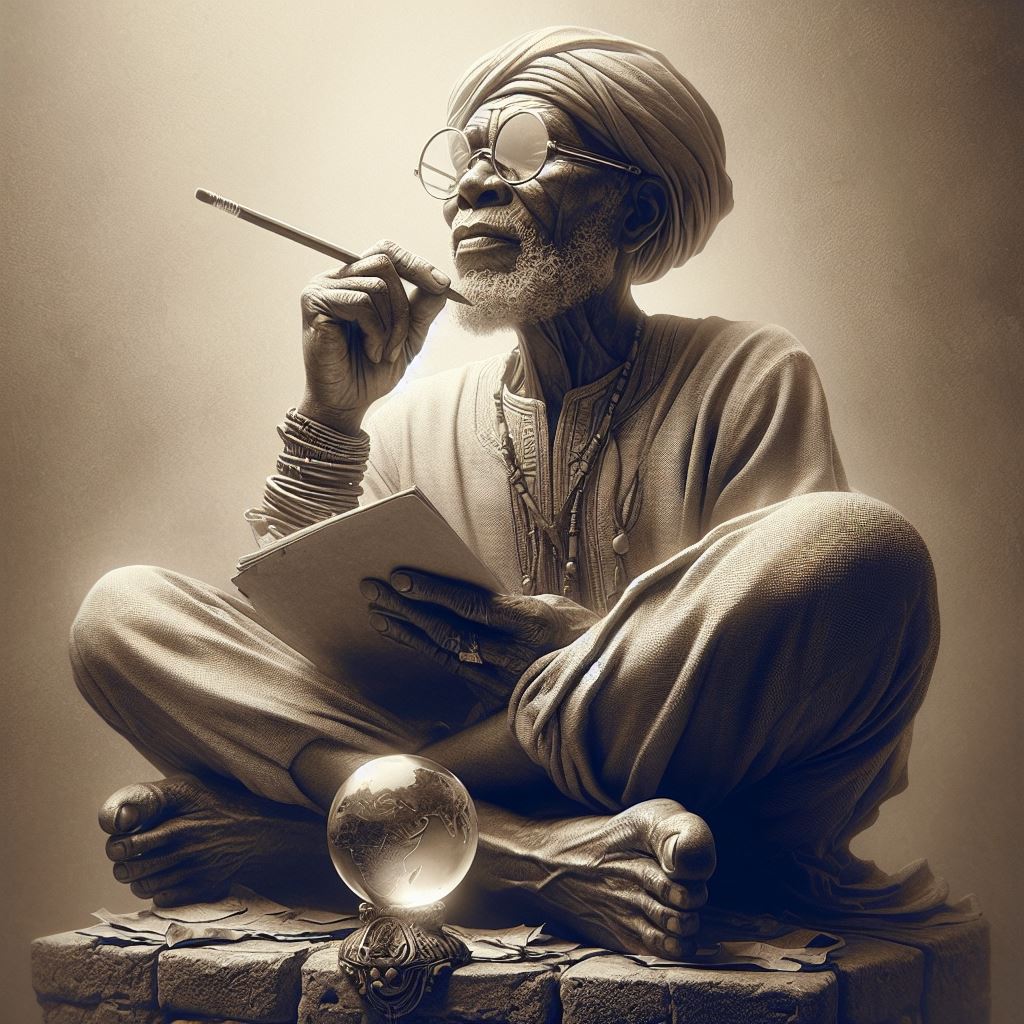
A Visionary looks at these reader-hidden details and can add them to a story to enhance it. A Visionary can alter or cut scenes. A Visionary is an excellent developmental editor. Essentially, a Visionary is one who practices the art of plotting, outlining, character creation, and theme.
Visionaries are necessary for earth-shattering storytelling. A favorite example of mine is season 3 of the Marvel show Daredevil. Not only did each episode leave me hooked, but also the conclusion was unpredictable. I also felt this in the prison story arc in the novel “Live By Night” by Dennis Lehane.

The Visionary paints the most excellent blueprint. Elegant. Immaculate. But it is the Writer who assembles the conception. Brick by brick. Word by word. And while the Writer must scoot up close and only see pieces of the blueprint at a time, only the Writer can put the house together, can add the style. The literary devices. The sentence length.
An example would be the short stories and microfiction of Lydia Davis. They often have simple plots, but it’s her masterful sentences that makes readers chuckle or awe at her work.
To be a fiction writer, one must balance visionary thinking and granular thinking. Be sure to find joy in both.

 The Fiction Writer